

Introduction
When individuals consider the process of property transactions, they usually think of the agent opening doors and giving keys. Still the reality is much more challenging. The work of the real estate sales person is much more than just sales since it consists of market research, legal coordination, bargaining, marketing plan, and relationship management.
The modern housing market is highly dynamic and clients are more than ever demanding expertise in the face of digital technologies and AI revolutionizing the market in 2025-2026. National Association of Realtors stated that almost 90 percent of the home buyers engage the service of a real estate professional indicating the importance of this position.
You are thinking of getting into property industry or simply having a professional to work with, knowing about the work of real estate salespeople will enable you to have a realistic expectation. This guide outlines the job in details, outlines the practical duties and examines the growing nature of the job career as it evolves so that you can make wiser career or investment decisions.
What Do Real Estate Salesperson Duties entail?
A real estate salesperson duties is a licensed practitioner who acts as either buyer or seller in the process of buying or selling property under an oversight broker. Their chief intention is to make the process to be smooth and legally acceptable, and bring monetary value to the client.
This is a position that is a combination of sales experience and advice. Successful sales people help clients through one of the largest financial decisions of their lives instead of merely promoting properties. They interpret the situation on the market, prescribe pricing policies, communicate with various participants, and aid in the elimination of expensive errors.
On a greater plane, the role of real estate salesperson duties is based on three foundations that include the attraction of clients, simplification of transactions, and the establishment of long-term trust. Individuals who understand all three are professionals and are likely to be better than their competition and create repeat business.
Client Prospecting and Lead Generation.
A steady stream of potential clients is one of the most significant real estate salesperson obligations. Even the most talented salesperson is not able to survive in this industry that is based on commissions without new leads.
There is a need to be patient and strategic when it comes to prospecting. Most of the best agents spend hours daily on outreach, relationship, and brand awareness. The contemporary technology has also transformed the way agents get clients. The intelligent CRM systems, predictive analytics, and targeted advertisements can now guide professionals to recognize homeowners who are about to sell their homes months before they do so.
But, not only technology is sufficient. Conversations are still made based on trust and that is why referrals are one of the best sources of business.
Common lead sources include:
- Recommendations by satisfied customers.
- Social media engagement
- Search-optimized real estate listings.
- Community networking
- Open houses
Best of all, uniformity is superior to vigour. It is better to generate a few leads on a daily basis than dozens simultaneously and burn out.
Market Research and Right Pricing.
The art and science of pricing a property right is a science. Here is the point where the ability to think analytically is an important aspect of the work of a real estate salesperson duties.
The salespeople normally conduct a Comparative Market Analysis (CMA) which analyzes more recent homes sold, available homes and local demand trends. They also analyze the aspects of development of neighborhoods, school districts, and infrastructure development as well as interest rate trends.
Listings usually stagnate because of overpricing, and underpricing may lead to a huge loss of money. In one of the Zillow studies, there was a revelation that those homes that need to be reduced in price will be in the market longer and eventually sell at a lower price than those that were priced appropriately.
In addition to data, the professionals should handle seller expectations. The problem is that many homeowners do not attach emotions to their property but buyers react to realities of the market and not emotions.
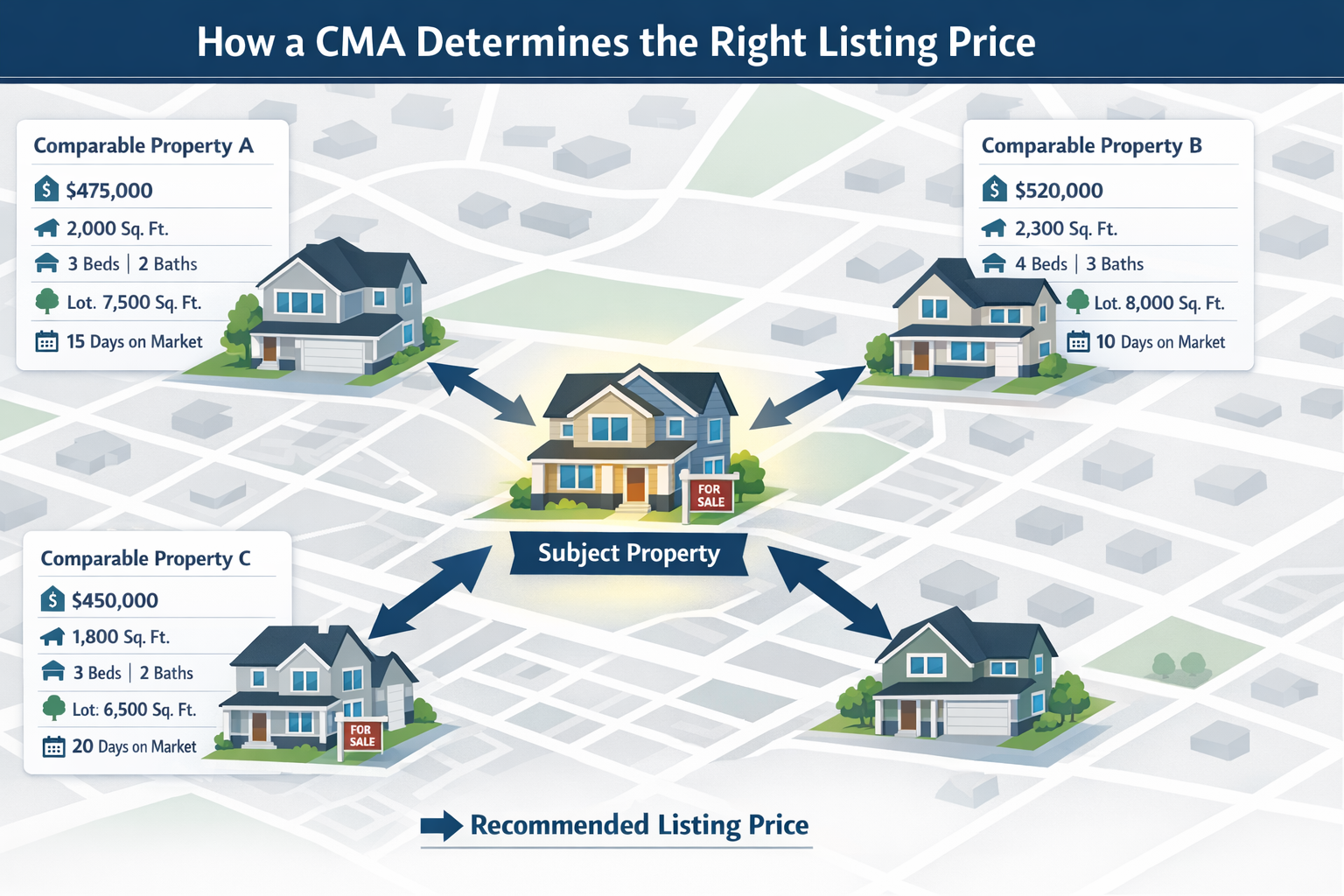
Key Insight: Successful agents do not make guesses about prices rather they back them up with facts.
Selling Real Estate in the 21 st Century.
The marketing is one of the most rapidly changing tasks of the real estate salesperson duties. Days when all that was required was a yard sign and newspaper ad are over.
The current generation of purchasers initiates their search via the Internet and the initial impressions are frequently online. Exceptional graphics, engagements, and attractive descriptions are capable of evoking dramatic responses in the interest of buyers.
Successful marketing narrates a tale. Great agents do not enumerate features, they understand the benefits of lifestyle, such as the closeness or walking distance to schools, or the designed structures to allow people to work remotely.
Current day marketing strategies tend to incorporate:
- Professional photography
- Drone imagery
- 3D virtual tours
- Listing descriptions through AI assistance.
Video walkthroughs (gastronomy) are short-form videos where a food or beverage product is presented in the sequence of its production steps.<|human|>Video walkthroughs Walkthroughs (gastronomy) are short videos in which a food or beverage product is shown in the order of production processes.
Homes that are well marketed in terms of visual appeal usually have more qualified purchasers and sell quicker.

Pro Tip: Customers often make the decision to travel to the property in a few seconds after seeing photos, the quality should not be negotiable.
Showing Property and Customer Experience.
When marketing creates interest, the second critical task in the real estate salesperson duties work is the conversion of curiosity to seriousness. Real estate tours are not only tours but they are well managed experiences.
A competent salesperson gets the house ready, shows the house in as good a light as possible, and takes the buyers on a tour and focuses on the value. However, listening is also important. Being aware of the responses of a buyer aids the agent in correcting future suggestions.
Instead of bombarding customers with technical information, good professionals relate features with benefits in life. An extra room might end up being a nursery, a basement might make a home office and a backyard might be a place of gathering.
Central Learning: Individuals tend to make purchases mentally and rationalize the purchase later on.
Directing Buyers on the buying process.
Purchasing a home, and more so, to be a first-time buyer, can be daunting. Another aspect of the task of a real estate salesperson duties. that should not be disregarded is to be a constant guide during this emotional process.
The salesmen assist clients in setting priorities, narrowing the choice, and not hurrying up with the decisions which can be regretted. They also present Financing channels and partners with trusted lenders, Inspectors and attorneys.
Other work is the most valuable that occurs behind the scenes and these include the identification of structural concerns and scrutiny of disclosure documents.
When making the purchase decision, the salespeople normally:
- Clarify needs versus wants
- Make property decisions that fit the budget.
- Highlight risks
- Compare long-term value
Pro Tip: It is a lot more trusting to guard a client against making a bad purchase than to urge them to spend money.
Bargaining Overtures and Safeguarding Customer Interests.
Expertise is very evident during negotiation. This is one of the steps in all the roles of real estate salesperson duties that tend to affect the financial results directly.
Powerful negotiators know the market, the psychology of buyers and the motivation of sellers. They understand when to press, when to concede and when to withdraw.
Notably, negotiation is not only about price. Final deal can be subject to repair credits, closing costs, move-in schedule and contingencies.
An example is that of several buyers competing on buying a home. A strategic agent may not concentrate on increasing the offer but suggest flexible closing terms, i.e., make the offer more appealing without necessarily increasing the price in a drastic manner.
Key Insight: Intelligent negotiation is not about numbers but total value.
Handling Contracts and Compliance with the law.
Real estate salesperson duties deals are prepared using complicated paperwork and thus precision is required. One fault is enough to postpone the closing or even lead to lawsuits.
The salespeople organize paper work, maintain time limits and disclose all the papers accordingly. This process has been simplified by digital platforms; however, human focus is very important.
According to industry research, documentation errors are the reason behind a good number of delayed transactions – this supports the need to have detail-oriented professionals.
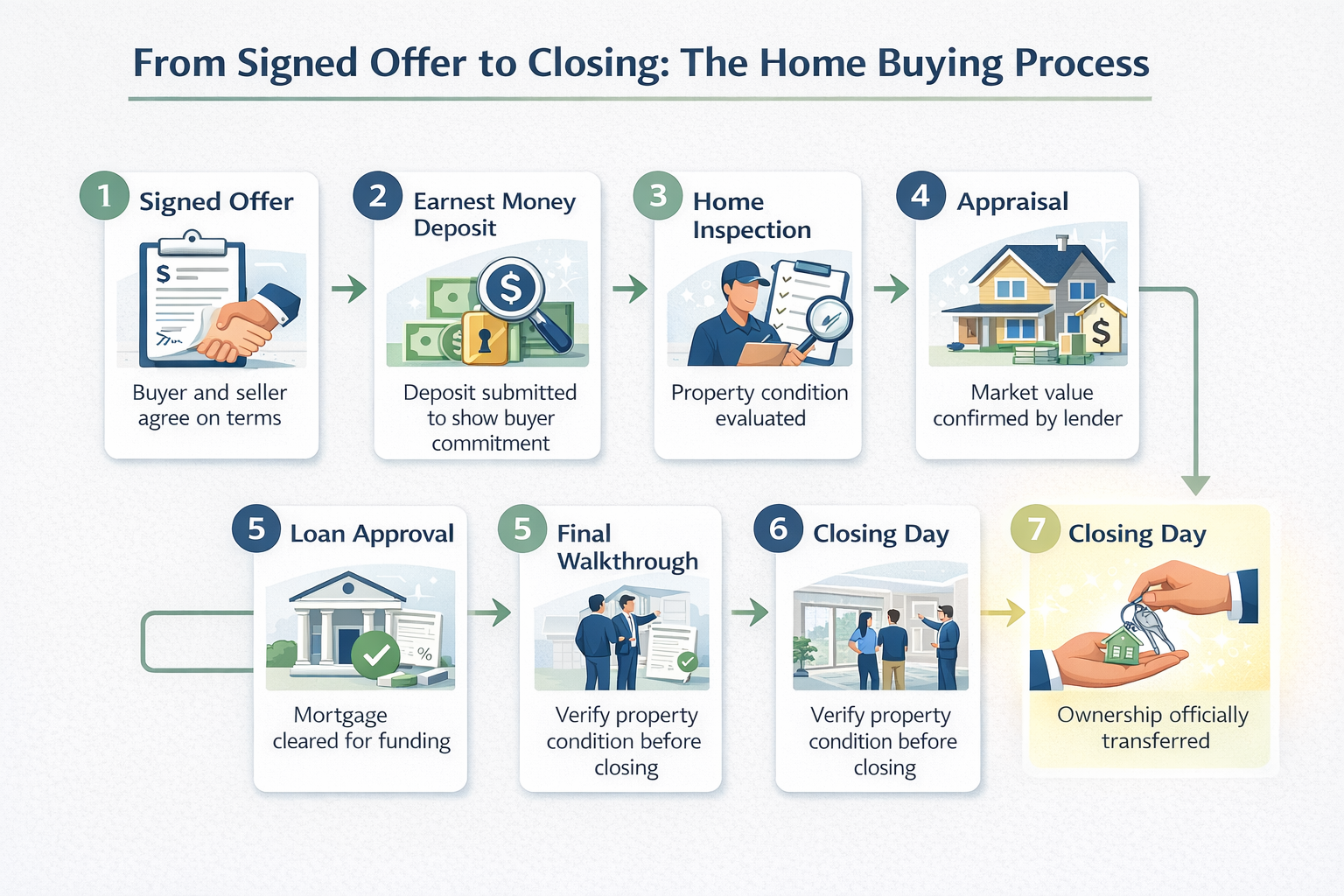
Arranging Inspections, Appraisals and Closing.
The salesperson is like a project manager as deals go on. They also liaise with inspectors, appraisers, lenders and legal experts to ensure that everything is in tandem.
This phase requires a structured and active communication. Late time delivery or ineffective instructions may derail a transaction.
Professional expertise may also use the structured workflow or checklists of transaction to make sure that no point will slip through the cracks.
Bonus Hint: Being ahead of anticipated issues is one of the best indicators of an experienced agent.
Establishing Long-term Relationships to achieve Sustainable Success.
Achievers know that a deal is not the end but it is the start of a long relationship. Repeat business and referrals tend to be the main support of a successful career in real estate.
Basic gestures in the form of sending market updates, congratulating clients on the anniversaries of their homes, or updating them on the property value will ensure the connection without making them feel intruded.
In the long run, this relationship-based strategy will minimize the use of cold prospecting and generate a stream of opportunities.
Major Insight: Reputation in real estate is a compounding factor that is more rapid than advertising.
Conclusion
The knowledge of real estate salesperson duties.shows a challenging and at the same time, a great influence profession. These professionals not only sell homes, but more importantly, they help the client make complicated financial choices, minimize risk and simplify the experiences of listing to closing.
The need of having knowledgeable salespeople in the property market will only continue growing as the property market evolves. As you make your entry into the field or you want somebody to act on your behalf, being aware of these responsibilities means you will be able to make smarter decisions and achieve better results.
Next Step: In case you are planning this profession, you should work on the skills of communication, knowledge of the market, and awareness of technologies. When recruiting, focus on experience, openness and being strategic.
The correct real estate salesperson duties does not simply sign deals, she creates trust and access to possibilities.
FAQs
Q: What are the largest real estate salesperson duties?
A: They involve creating leads, selling of properties, advising, negotiating of offers, contract administration and keeping everything legal.
Q What is the difference between a real estate salesperson duties and a broker?
A: No. Salespeople are working under licensed brokers that oversee transactions.
Q: Are there real estate salespeople that require a license?
A: Yes, it is true that most of the regions demand coursework and a licensing exam.
Q: What are the ways the salespeople of real estates make their income?
A: A commission is usually based upon the final sale price of the property.
Q: Do the responsibilities of real estate sales persons change?
A: Yes. The profession is quickly changing due to the use of technology, AI tools, and online transactions.